

Product Labelling – The Best-before Date
The backs of most cosmetic packaging look quite similar, primarily due to regulatory requirements. In addition to details regarding the country of origin, net content, and any necessary precautions, you'll also find information about the product's shelf life, which includes two key components: the best-before date and the period after opening (PAO). Let's examine these two aspects more closely.
Best-before date
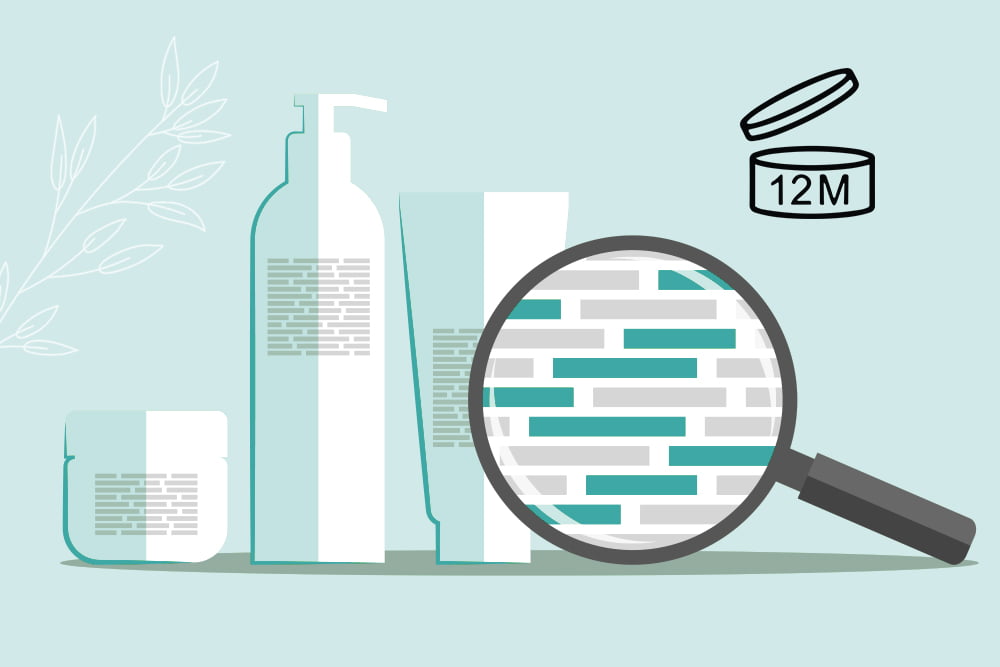
In the EU, cosmetic products with a shelf life of less than thirty months must display a best-before date, indicated by an hourglass symbol along with the relevant date. This date signifies how long a product will retain its intended function and properties when stored correctly. It is important to note that this is not an expiry date; therefore, a product can still be used safely even after the best-before date has passed.
Usage period
The usage period, also known as the PAO (Period After Opening), applies to products with a shelf life exceeding thirty months. This period begins from the date the product is first opened. The symbol for the PAO is an open cream jar, accompanied by a number that indicates how many months the product remains usable after opening.
Is your product past its prime?
You can easily determine whether a product is no longer safe to use by asking yourself the following questions:
- Have the individual components, such as those in a cream, separated?
- Does the product appear different or show any visual defects?
- Does the product have an unpleasant smell?
- If you answer ‘yes’ to any of these questions, it is advisable to dispose of the product.
Note:
Some products may deteriorate without displaying noticeable changes. In the case of natural cosmetics, ingredients might separate and require mixing by shaking the product. Typically, this information will be provided on the packaging.
Related products
-
Rasayana Anti-Aging Moisturizing Face Cream Oily & Combination Skin, 50 ml
- Suitable for oily & combination skin
- Balanced formula with hyaluronic acid
- Regulates sebum production
-
Weleda Skin Food Cream, 75 ml
- Natural basic care
- Suitable for the whole family
- A classic Weleda product for 85 years
-
Biofficina Toscana Active Conditioner Concentrate, 200 ml
- For dry, brittle & damaged hair
- With olive oil & plant proteins
- Nourishing, strengthening & protective
-
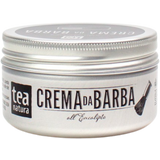
TEA Natura Uomo Shaving Cream , 100 ml
- Contains high quality, saponified oils
- Refreshing eucalyptus scent
- Wonderful soft & gentle foam
Magazine Articles:
Discover Ecco Verde:
-
Great Britain: Free standard delivery from £69.90
-
Free
returns -
Get at least 1 free sample
per order More than 18.700 products
